Table of Contents
TLDR: Phonak generally performs best in noisy environments and suits active, social lifestyles. Oticon leans toward a softer, more natural sound that some people find easier to wear all day. Signia and Starkey stand out for Bluetooth connectivity and long-lasting rechargeable batteries. ReSound and Rexton are dependable, fairly priced middle-ground options. So which brand hearing aid is best really comes down to matching one of these to your specific hearing loss and routine, not picking whichever name shows up first on Google.
People ask us this almost every week, usually right after they’ve spent an hour scrolling through review sites that all disagree with each other. So here’s the honest answer up front: there’s no single brand that wins for everyone. Which brand hearing aid is best for you depends on your hearing loss pattern, how you actually spend your day, and whether you’ll get proper support after you buy it. The brand someone’s neighbor swears by could be the wrong fit for a completely different set of ears.
That’s not us avoiding the question. Brands genuinely differ, in how they handle background noise, how natural the sound feels over a full day, battery life, app quality. The differences are real. What’s not real is the idea that one of them is objectively “the best” the way a phone or a laptop might be ranked. Hearing is too personal for that.
Why which brand hearing aid is best isn’t a one-word answer
Most “best hearing aid brand” articles online are written for the US market, with OTC brands like Jabra Enhance and Eargo dominating the lists. Those brands barely exist here, so the ranking doesn’t transfer. Even setting that aside, a lab score measured on a test dummy in a sound booth doesn’t tell you whether a device will feel comfortable on your actual ear after ten hours, or whether the local clinic can service it if something goes wrong two years from now.
So when someone asks which brand hearing aid is best, what they usually mean is “which one will actually work for me.” That’s a fair question. It just needs a few more details before it has a real answer.
What actually decides which brand hearing aid is best for you
A handful of things matter far more than brand reputation alone.
- How well the device performs in noisy rooms, since that’s where most people notice hearing loss the most
- Comfort across a long day, not just how it feels in the first five minutes at the clinic
- Battery life, and whether rechargeable or disposable suits your routine better
- App quality, if you like adjusting settings yourself rather than calling the clinic every time
- Local support. Not glamorous, but it’s the difference between getting help in a week or waiting on an overseas warranty claim.
The major hearing aid brands in Cambodia, briefly
Here’s where the brand names you’ll actually encounter locally fit into all this.
Phonak. If your day involves a lot of talking over background noise, restaurants, family dinners, an open office, this is usually where we start. Phonak’s strength in noisy settings is well established, and the companion app is solid too. More detail on the Phonak hearing aid lineup is on our brand page.
Oticon. Takes a different approach by trying to preserve the whole sound picture instead of aggressively isolating speech. People who’ve tried both sometimes describe it as less tiring to wear, even if it’s not always the sharpest in a loud room. Our Oticon hearing aid page covers the current models.
Signia. A strong pick if you stream calls or music often. Connectivity and rechargeable battery life are genuinely good here.
Starkey. Adds health-tracking features like fall detection on top of decent core sound quality, useful if you want more than basic hearing correction.
ReSound. A reliable, well-balanced mid-range option with a good app, the kind of brand that works fine for almost anyone without overcomplicating the decision.
Rexton. Sits at a more accessible price point without cutting corners on the basics, a sensible pick if budget is the main concern.
Why prescription and OTC answers don’t match up here
A lot of what’s written about which brand hearing aid is best online is actually talking about over-the-counter devices that skip the professional fitting step entirely. That works fine for mild hearing loss in places where it’s legal to sell that way, mostly the US. It’s a different situation here, and honestly, for anything beyond mild loss, skipping a proper fitting is a gamble no matter where you live. A hearing aid programmed to match your actual hearing test will outperform an unfitted device from a “top-rated” brand almost every time.
How to figure out which brand hearing aid is best for your specific hearing loss
Start with a real hearing test, not a brand name. The shape of your hearing loss, whether it’s mostly high-frequency, flat across the range, or something else, narrows the realistic options down to two or three brands before reputation even enters the conversation.
From there, think about your actual week rather than a spec sheet. Constantly in noisy group settings? Lean Phonak. Mostly quiet, one-on-one conversations, and comfort matters more to you than raw clarity in noise? Try Oticon first. Want your hearing aids doing double duty as wireless earbuds? Signia or Starkey deserve a look. And if budget is genuinely the deciding factor, ReSound and Rexton hold up well without the premium price tag.
The fitting matters more than the badge on the box
This is worth repeating because it gets buried under all the brand talk: the single biggest factor in how good a hearing aid sounds is whether it was fitted to your actual hearing loss, not which logo is printed on it. A mid-range device properly fitted and adjusted over a few follow-up visits will usually beat a premium brand that was set up once and never touched again. At Advance Hearing Center, that follow-up process is where we spend most of our time with new patients, not on the initial sale.
It’s also why buying locally matters more than the lab scores suggest. If a device needs reprogramming after a few weeks of real-world use, or a part needs replacing down the line, you want a clinic nearby that stocks the brand and knows it well.
Where to go from here
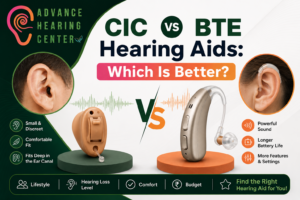
If you’re still narrowing things down, our best hearing aids in Cambodia guide sorts options by hearing loss severity and budget, which tends to be a more useful starting point than a brand-first comparison. It’s also worth reading through the different types of hearing aids, since the style you wear (RIC, BTE, ITE) interacts with which brand suits you almost as much as the brand itself does.
The short version
Which brand hearing aid is best isn’t a question with one universal answer. Phonak tends to lead in noise, Oticon in natural comfort, Signia and Starkey in connectivity and smart features, and ReSound and Rexton in dependable mid-range value. None of it matters as much as getting properly tested and fitted by someone who’ll follow up after the sale. If you want a real answer instead of a list pulled from a US lab review, the team at Advance Hearing Center, a trusted name in Hearing Aid Cambodia care, can test your hearing and tell you straight which brand actually fits your situation.