Table of Contents
Hearing loss can profoundly impact daily life, especially in cases of severe hearing impairment. Fortunately, technology has advanced significantly, providing people with advanced hearing aids and high-power digital devices designed specifically for those with severe hearing loss. The right hearing aid not only improves communication but also enhances mental health, social interaction, and overall quality of life.
This comprehensive guide explores the best digital hearing aids for severe hearing loss, including features, types, and tips for choosing the right device.
Understanding Severe Hearing Loss
Severe hearing loss is characterized by difficulty hearing even loud sounds without amplification. Individuals may struggle to hear speech, environmental sounds, or alerts, which can affect communication, safety, and daily functioning.
Symptoms of severe hearing loss include:
- Difficulty following conversations, even in quiet environments
- Frequently asking others to repeat themselves
- Relying on lip-reading or gestures
- Trouble hearing alarms, doorbells, or phone rings
For anyone experiencing these symptoms, it’s essential to consult an audiologist for comprehensive testing, such as hearing tests in Cambodia or specialized evaluations like tympanometry test or high-frequency hearing test.
How Digital Hearing Aids Work
Digital hearing aids are sophisticated devices that amplify sound and process it to suit an individual’s hearing profile. Unlike analog hearing aids, digital devices convert sound waves into digital signals, allowing for precise tuning and customization.
Key benefits of digital hearing aids include:
- Programmable hearing aids: Customizable to match the wearer’s hearing loss pattern and listening environments.
- Noise reduction features: Minimize background noise, improving speech clarity in busy or noisy settings.
- High-power digital devices: Provide stronger amplification suitable for severe or profound hearing loss.
- Premium models: Offer advanced features such as wireless connectivity, rechargeable batteries, and smartphone integration.
By using a digital hearing aid, individuals with severe hearing loss can regain the ability to hear speech clearly, participate in conversations, and reconnect with their surroundings.
Features to Look for in the Best Digital Hearing Aid for Severe Hearing Loss
When selecting a hearing aid for severe hearing loss, consider the following features:
Advanced Hearing Aids Technology
Modern hearing aids are equipped with intelligent processing systems that adjust automatically to different listening environments. Advanced features include adaptive directional microphones, feedback cancellation, and real-time sound processing.
High-Power Digital Devices
For severe hearing loss, standard amplification may not suffice. High-power digital devices are designed to deliver stronger output while maintaining sound quality, allowing the wearer to hear clearly even in challenging situations.
Programmable Hearing Aids
Programmable hearing aids allow audiologists to fine-tune the device based on audiometric results. These devices can store multiple settings for different environments, such as quiet rooms, noisy restaurants, or outdoor spaces.
Noise Reduction Features
One of the most important aspects of modern hearing aids is their ability to reduce background noise. This is crucial for people with severe hearing loss, as excessive noise can make speech comprehension more difficult.
Comfort and Fit
Custom earmolds and fittings ensure comfort and prevent feedback or irritation. Services like custom earmolds and fittings provide a secure fit tailored to the individual’s ear anatomy.
Connectivity Options
Many premium models now feature Bluetooth connectivity, allowing users to stream phone calls, music, and TV audio directly to their hearing aids.
Rechargeable vs. Disposable Batteries
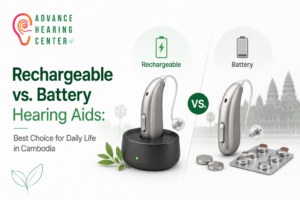
Rechargeable models offer convenience and reduce the need for frequent battery replacement. For severe hearing loss, devices with longer battery life are especially beneficial as they tend to consume more power.
Top Options and Solutions for Severe Hearing Loss
There are several advanced solutions for individuals with severe hearing loss:
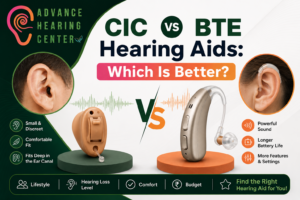
1. High-Power Behind-the-Ear (BTE) Hearing Aids
- Provide strong amplification suitable for severe to profound hearing loss
- Compatible with custom earmolds for comfort
- Equipped with noise reduction features and programmable settings
2. Bone-Anchored Hearing Aids (BAHA)
Bone-anchored hearing aids transmit sound through bone conduction and are ideal for individuals with certain types of conductive or mixed hearing loss. Learn more about these at BAHA services.
3. Cochlear Implants
For individuals who do not benefit sufficiently from hearing aids, cochlear implants in Cambodia can restore hearing by directly stimulating the auditory nerve. Cochlear implants are often recommended when high-power digital hearing aids are insufficient.
4. Premium Digital Models
Premium models combine advanced digital processing with user-friendly interfaces, allowing fine-tuning, environmental adaptation, and wireless connectivity. These devices are ideal for those seeking maximum clarity and convenience.
Maintenance and Care for High-Power Hearing Devices
Maintaining hearing aids is crucial for longevity and performance. Tips include:
- Regular cleaning of custom earmolds and fittings
- Using protective cases and dry kits to prevent moisture damage
- Scheduling periodic check-ups and servicing at a certified center like hearing aid servicing
- Avoiding exposure to extreme temperatures or water unless the device is water-resistant
Proper maintenance ensures that high-power digital devices continue to function effectively for years.
Choosing the Right Audiologist or Clinic
Selecting a qualified audiologist is essential for diagnosing, fitting, and maintaining hearing aids. Key considerations include:
- Experience with advanced hearing aids and severe hearing loss cases
- Availability of comprehensive testing, including audiometry test, ABR test, and tympanometry test
- Access to premium hearing aid models and programmable devices
- Support for follow-up adjustments and troubleshooting
Clinics like Advance Hearing Center offer complete solutions, from assessment to fitting and ongoing support.
Conclusion
For individuals with severe hearing loss, selecting the best digital hearing aid is life-changing. Features like advanced hearing aids technology, high-power digital devices, programmable hearing aids, premium models, and noise reduction features ensure that wearers can communicate effectively, enjoy social interactions, and maintain a high quality of life.
Consulting with an experienced audiologist, exploring testing options like hearing tests in Cambodia, and considering devices with the right amplification and features are crucial steps. With the right device, severe hearing loss does not have to limit your ability to experience the world of sound.