Hearing loss is one of the most common health conditions, especially among older adults. Yet, many people delay seeking help or underestimate how much hearing aids can improve their lives. With today’s advanced technology, hearing aids are no longer bulky or difficult to use. Instead, they are powerful, discreet devices that restore hearing clarity, reduce listening effort, and open the door to a better quality of life.
This blog explores the many benefits of hearing aids, from improved communication to enhanced social engagement, while also addressing common concerns. If you or a loved one has hearing loss, understanding these advantages can help in making the right decision.
Understanding the Impact of Hearing Loss
Before diving into the benefits of hearing aids, it’s important to understand how untreated hearing loss affects daily living. When hearing declines, people often:
- Struggle to follow conversations, especially in noisy places.
- Experience misunderstandings or avoid group discussions.
- Feel isolated and withdraw from social activities.
- Suffer from mental fatigue due to constant strain in listening.
- Face increased risks of depression, anxiety, and even cognitive decline.
Fortunately, hearing aids for tinnitus and general hearing devices address these challenges directly, helping individuals regain confidence, independence, and joy in their daily lives.
Key Benefits of Hearing Aids
1. Improved Communication
One of the biggest challenges of hearing loss is difficulty in conversations. Whether it’s missing words, asking others to repeat, or misunderstanding tones, poor hearing disrupts communication.
Hearing aids, like Phonak hearing aids or Signia hearing aids in Cambodia, amplify sounds clearly, making speech easier to follow. This allows users to:
- Participate in conversations without constant repetition.
- Hear phone calls, television, or workplace discussions better.
- Strengthen relationships with family and friends by reducing frustration.
Improved communication ensures that important information isn’t missed, whether in personal or professional settings.
2. Better Quality of Life
When communication improves, quality of life also rises significantly. Studies have shown that people who wear hearing aids report higher satisfaction in their daily activities compared to those who do not.
Benefits include:
- Increased independence in managing daily tasks.
- Greater enjoyment of hobbies like music, movies, or outdoor activities.
- Less stress and irritation caused by communication barriers.
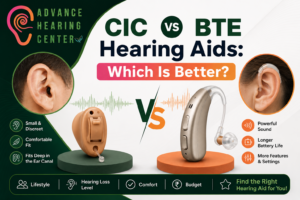
Modern devices such as CIC hearing aids and ITC hearing aids ensure discreet, comfortable, and effective support.
3. Hearing Clarity in Different Environments
Modern hearing aids are equipped with advanced technology that adapts to different listening situations. They can automatically adjust to background noise, filter out unnecessary sounds, and focus on voices.
This provides:
- Clearer sound in restaurants, meetings, or social events.
- Enhanced enjoyment of nature sounds, music, and entertainment.
- Better ability to detect soft sounds, like footsteps or a ringing doorbell.
Devices like Starkey hearing aids or GN Resound hearing aids are designed to optimize clarity in various settings.
4. Reduced Listening Effort
Without hearing aids, the brain works extra hard to fill in the gaps during conversations. This constant strain can lead to listening fatigue, stress, and headaches.
Wearing hearing aids reduces this effort by providing clearer signals to the brain. The result is:
- Less mental exhaustion at the end of the day.
- More energy to focus on tasks and enjoy activities.
- Reduced frustration in noisy environments.
With reduced listening effort, seniors and adults alike feel less worn out and more engaged in their daily lives.
5. Enhanced Social Engagement
Hearing loss often leads to isolation because individuals may avoid social gatherings out of embarrassment or frustration. Over time, this can impact emotional health and lead to loneliness.
Hearing aids encourage social engagement by making group conversations and public interactions easier. This leads to:
- Renewed confidence in attending social events, family functions, and outings.
- Stronger relationships with loved ones.
- Lower risk of depression and emotional withdrawal.
Social engagement is a critical part of healthy aging, and hearing aids make it much more enjoyable.
6. Support for Mental and Cognitive Health
Research links untreated hearing loss with cognitive decline and dementia. When the brain is deprived of sound stimulation, it weakens its processing ability over time.
Hearing aids keep the brain active by restoring auditory input. This helps:
- Preserve memory and concentration.
- Reduce the risk of cognitive decline.
- Keep the mind sharp and alert in old age.
Using hearing aids early can have long-term benefits for mental health.
7. Increased Safety and Awareness
Hearing is not only important for communication but also for safety. Everyday alerts such as alarms, doorbells, sirens, or approaching vehicles may go unnoticed with hearing loss.
Hearing aids enhance environmental awareness, making it easier to:
- Detect warning signals.
- Navigate public places with confidence.
- Stay safe both indoors and outdoors.
This added security gives peace of mind to both users and their families.
8. Boosted Confidence and Emotional Well-being
Struggling with hearing loss can affect self-esteem, especially when constantly asking others to repeat themselves. Over time, many people lose confidence in their ability to interact.
By improving hearing clarity, hearing aids restore confidence. Users often feel more comfortable engaging with others, participating in meetings, and enjoying conversations without hesitation.
This renewed confidence greatly contributes to emotional well-being and self-assurance.
9. Modern Hearing Aid Technology Offers More Benefits
Today’s hearing aids are much more advanced compared to older models. Depending on individual needs, users can choose from features like:
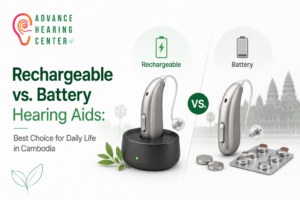
- Rechargeable batteries – eliminating the hassle of changing small batteries.
- Bluetooth connectivity – connecting directly to phones, TVs, or computers.
- Directional microphones – focusing on speech in noisy areas.
- Custom fit and invisible designs – making them discreet and comfortable.
These innovations make hearing aids not just medical devices but lifestyle enhancers.
Tips to Maximise the Benefits of Hearing Aids
To enjoy the full advantages, users should:
- Get a professional hearing test before choosing a device.
- Select a hearing aid that matches their lifestyle needs.
- Follow a proper care routine, including cleaning and storage.
- Attend regular check-ups for adjustments.
- Practice patience, as adapting to hearing aids takes a little time.
Conclusion
The benefits of hearing aids go far beyond just making sounds louder. From improved communication and hearing clarity to better quality of life, reduced listening effort, and enhanced social engagement, hearing aids truly transform the lives of those with hearing loss.
If you or a loved one struggles with hearing difficulties, seeking professional help, such as a hearing test in Cambodia, and considering hearing aids like Rexton hearing aids or affordable options can be life-changing.