Hearing is one of our most important senses, helping us communicate, stay safe, and enjoy the world around us. Yet, hearing loss often develops gradually, and many people do not realise they are experiencing early changes until it starts affecting their daily lives. Identifying hearing loss symptoms early is crucial for effective treatment and maintaining a good quality of life.
In this blog, we will explore the early signs of hearing loss, common hearing difficulties, how tinnitus symptoms may relate to hearing decline, what muffled hearing means, and how hearing clarity issues affect day-to-day interactions. Modern hearing tests can identify these issues early, while hearing aids and cochlear implants provide effective management.
Understanding Hearing Loss
Hearing loss is a partial or complete reduction in the ability to detect sound in one or both ears. It can range from mild to profound and may occur suddenly or develop gradually over time.
There are three main types of hearing loss:
Sensorineural hearing loss – damage to the inner ear or auditory nerve, often permanent.
Conductive hearing loss – issues in the ear canal, eardrum, or middle ear bones, often treatable.
Mixed hearing loss – a combination of both sensorineural and conductive causes.
Since many people adapt to changes in their hearing, symptoms are often overlooked until the loss becomes significant. That’s why recognising early warning signs is so important.
Early Signs of Hearing Loss
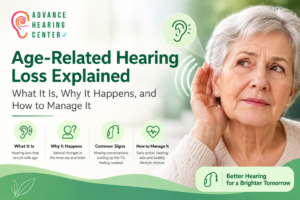
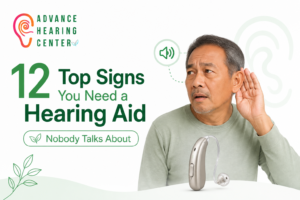
The early signs of hearing loss can be subtle and easily mistaken for distractions or background noise. Some common early indicators include:
Asking people to repeat themselves frequently.
Difficulty following conversations, especially in noisy environments.
Feeling that others are mumbling when they speak.
Turning up the TV or radio volume louder than others prefer.
Struggling to hear high-pitched sounds like birds chirping, doorbells, or children’s voices.
If these early signs are noticed, it’s important to book a hearing test to assess hearing levels and determine if intervention is needed.
Common Hearing Difficulties in Daily Life
Hearing loss can cause noticeable hearing difficulties in everyday situations. People may experience:
Trouble understanding speech on the phone.
Mishearing words leads to confusion in conversations.
Difficulty keeping up in group discussions or meetings.
Struggling in noisy places like restaurants or public transport.
Feeling exhausted after long conversations due to increased listening effort.
These difficulties affect communication and can impact both personal relationships and work performance.
Tinnitus Symptom: Ringing in the Ears
One of the most common hearing loss symptoms is tinnitus, which is a ringing, buzzing, or hissing sound in the ears that does not come from an external source.
Tinnitus is often linked with hearing loss, particularly noise-induced or age-related hearing loss. It can be temporary, such as after a loud concert, or persistent, affecting daily concentration and sleep.
If tinnitus is accompanied by hearing decline, seeking medical evaluation is essential to rule out underlying conditions and to manage the symptoms effectively (hearing-aid-cambodia).
Muffled Hearing: A Key Warning Sign
Another common complaint is muffled hearing, where sounds seem blocked, unclear, or as if heard through cotton.
Muffled hearing may be caused by:
Earwax buildup.
Middle ear infections or fluid.
Sudden hearing loss.
Progressive sensorineural hearing damage.
Temporary muffled hearing from blockages can usually be treated. But if it persists, it may indicate underlying hearing clarity issues that require professional care.
Hearing Clarity Issues
Hearing clarity issues happen when sounds are audible but not clear. People may hear voices but struggle to distinguish words, especially when multiple people are speaking.
This is often due to damage in the inner ear’s hair cells that process sound frequencies. Even with normal volume levels, clarity decreases, making speech understanding difficult.
Signs of hearing clarity problems include:
Saying “I can hear you, but can’t understand you.”
Misinterpreting words with similar sounds.
Struggling to follow conversations in echoey rooms.
Hearing aids with specialized programming can significantly improve clarity in these cases.
Emotional and Social Impact of Hearing Loss Symptoms
Hearing loss is not just a physical condition—it also affects emotional well-being and social interactions. Common consequences include:
Social withdrawal – avoiding group settings or gatherings due to communication struggles.
Frustration – for both the individual and family members.
Mental fatigue – from constantly trying to listen and understand.
Emotional distress – such as embarrassment, sadness, or anxiety.
Cognitive decline risks – studies show untreated hearing loss increases the risk of dementia.
Recognising symptoms early and seeking treatment helps prevent these wider impacts.
When to Seek Medical Help
You should see an audiologist or ENT specialist if you:
Notice persistent hearing difficulties.
Experience muffled hearing that does not resolve.
Hear constant or worsening tinnitus sounds.
Struggle with hearing clarity issues in conversations.
Have sudden or one-sided hearing loss.
Timely diagnosis ensures better management, whether through hearing aids, medical treatment, or other solutions.
Managing Hearing Loss Symptoms
Depending on the cause and severity, treatment options may include:
Earwax removal or medical treatment for infections – In some cases, hearing loss may be temporary and easily treatable. A doctor can safely remove earwax blockages or prescribe medication for ear infections to restore hearing clarity.
Hearing aids – Modern digital devices not only amplify sound but also improve speech clarity, filter background noise, and reduce listening effort. They are available in various styles to suit individual needs.
Assistive listening devices – Tools like amplified telephones, TV streamers, or personal FM systems can provide additional support in specific environments, making conversations and media easier to follow.
Cochlear implants – For individuals with severe or profound hearing loss, cochlear implants can bypass damaged parts of the ear and directly stimulate the auditory nerve, restoring access to sound.
Tinnitus management therapies – Sound therapy, counselling, and relaxation techniques can help patients cope with persistent ringing or buzzing sounds in the ears.
Lifestyle adjustments and regular check-ups – Staying socially active, protecting ears from loud noise, and attending routine hearing evaluations help in monitoring changes and adapting treatment as needed.
Conclusion
Recognising hearing loss symptoms early is the key to protecting long-term hearing health. Whether it’s muffled hearing, tinnitus symptoms, or general hearing difficulties, taking action ensures better communication, safety, and quality of life.
If you notice early signs of hearing loss, consult a qualified audiologist for a hearing test and explore available solutions, from hearing aids to advanced treatments. The sooner symptoms are addressed, the easier it is to maintain hearing clarity and confidence in daily life.