Hearing is one of the most important senses for communication, safety, and overall quality of life. While most people think of hearing loss as something that affects both ears equally, many individuals experience hearing loss in one ear, also known as unilateral hearing loss. This condition can be mild or severe and may even lead to single-ear deafness if not addressed properly.
Unlike bilateral hearing loss, where both ears are affected, one-sided hearing issues bring unique challenges. People with hearing loss in one ear often struggle to detect the direction of sounds, understand speech in noisy environments, or localize voices in group conversations. Fortunately, medical advancements and new technologies offer several ways to manage and even improve this condition.
In this blog, we’ll explore the causes of one ear hearing loss, available treatments, one ear hearing aid options, and lifestyle tips to make daily communication easier.
Understanding Hearing Loss in One Ear
What is Unilateral Hearing Loss?
Unilateral hearing loss (UHL) occurs when one ear hears normally while the other has reduced hearing ability. The severity can range from mild to profound. In some cases, people may develop single-sided deafness (SSD), which means complete loss of hearing in one ear while the other functions normally.
This condition is more common than many realize and can occur at any age, from newborns to seniors. It can be temporary or permanent, depending on the underlying cause. Learn more about hearing tests in Cambodia to identify unilateral hearing loss early.
Causes of One-Ear Hearing Loss
There are multiple reasons why someone may experience hearing loss in one ear. Understanding the cause is essential for choosing the right one-sided deafness treatment.
Common Causes Include:
- Ear Infections: Chronic middle ear infections can damage the hearing structures in one ear.
- Sudden Sensorineural Hearing Loss (SSHL): A rapid loss of hearing, often within 72 hours, usually linked to viral infections, vascular problems, or unknown causes.
- Noise Exposure: Prolonged exposure to loud sounds on one side, such as musicians standing near speakers, can damage one ear more than the other.
- Acoustic Neuroma: A benign tumor on the auditory nerve that typically affects one ear.
- Earwax Blockage: Excessive buildup may temporarily block sound in one ear.
- Head Trauma: Injuries can damage the auditory system in just one ear.
- Congenital Factors: Some people are born with unilateral hearing loss.
- Meniere’s Disease: This inner ear disorder may affect one ear, causing fluctuating hearing loss, dizziness, and tinnitus.
Symptoms of Hearing Loss in One Ear
Recognizing symptoms early can prevent further complications. Signs include:
- Difficulty localizing where sounds are coming from
- Struggling to hear conversations in noisy environments
- Turning the “good ear” toward speakers
- Perception of muffled or distorted sound in one ear
- Ringing or buzzing (tinnitus) in the affected ear
- Needing higher TV or headphone volume on one side
Challenges of Living with Unilateral Hearing Loss
People with one ear hearing loss face unique obstacles:
- Poor Sound Localization: Difficulty knowing where sounds are coming from, which can be a safety risk when crossing streets.
- Hearing in Noise: Conversations in crowded areas become more challenging.
- Listening Fatigue: The brain works harder to fill in gaps, leading to tiredness.
- Social Isolation: Struggles in group settings may cause frustration and withdrawal.
Diagnosis of One-Sided Hearing Loss
If you suspect single ear deafness or partial loss, seek an audiologist or ENT specialist for diagnosis. Common tests include:
- Pure-Tone Audiometry – measures hearing levels across frequencies.
- Speech Recognition Tests – assess ability to understand speech.
- Tympanometry – checks middle ear function.
- MRI/CT scans – used if a tumor or structural issue is suspected.
Treatment Options for Hearing Loss in One Ear
The right one-sided deafness treatment depends on the cause, severity, and lifestyle needs.
1. Medical Treatments
- Earwax Removal: Simple cleaning may restore normal hearing.
- Antibiotics or Surgery: For infections or structural problems.
- Steroid Therapy: Often used in cases of sudden hearing loss.
- Tumor Removal: Surgery may be required for an acoustic neuroma.
2. Hearing Devices
- One Ear Hearing Aid: Specially fitted devices amplify sound for the weaker ear.
- CROS Hearing Aid System: Routes sound from the deaf ear to the good ear.
- Bone Conduction Hearing Aid: Uses vibrations to send sound to the inner ear.
- Cochlear Alternative Implants: For profound single ear deafness, cochlear implants may restore hearing sensations.
3. Rehabilitation & Therapy
- Auditory Training: Exercises to improve listening skills.
- Lip Reading Classes: Helps in noisy settings.
- Assistive Listening Devices: FM systems and Bluetooth microphones aid in classrooms and workplaces (Bluetooth hearing aids cost).
Living Well with Unilateral Hearing Loss
Communication Tips
- Sit with your good ear toward the speaker.
- Choose quiet, well-lit places for conversations.
- Inform others about your condition so they can adjust.
- Use apps or captioning services for phone/video calls.
Lifestyle Adjustments
- Healthy Diet: Foods rich in omega-3, vitamins A, C, E, and zinc support ear health.
- Exercise: Improves blood circulation to the auditory system.
- Avoid Loud Noises: Protect your good ear to prevent further damage.
Future Innovations in One-Ear Hearing Aids
Technology continues to improve. Modern one-ear hearing aid models offer:
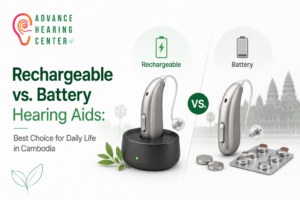
- Rechargeable batteries for convenience.
- Bluetooth streaming for calls and media.
- Directional microphones that enhance speech in noise.
- AI-based sound processing for natural listening.
These innovations are making life easier for people with single-ear deafness.
Conclusion
Hearing loss in one ear, or unilateral hearing loss, can significantly impact daily life. However, with early diagnosis, effective one-sided deafness treatment, and the right support, individuals can continue to live active and fulfilling lives. Whether through one-ear hearing aids, bone conduction devices, or medical therapies, solutions exist for every degree of hearing loss.
If you suspect single ear deafness or have trouble hearing on one side, consult a hearing care professional immediately. Timely treatment is the key to maintaining communication, safety, and quality of life.