Hearing is an essential part of daily life. It connects us to people, nature, and the world around us. But when hearing loss begins, it can affect communication, confidence, and overall quality of life. The good news is that there are practical ways to improve hearing, whether through hearing recovery tips, hearing therapy, hearing exercises, diet for hearing improvement, or medical treatment for hearing loss.
This guide explores natural methods, lifestyle changes, and professional treatments that may help strengthen your hearing or manage existing hearing problems effectively.
Understanding Hearing Loss
Before diving into solutions, it’s important to understand what hearing loss means. Hearing loss occurs when your ear or auditory system is unable to process sounds normally. This could be due to damage in the inner ear (cochlea issues), problems with the auditory nerve, or blockages in the outer or middle ear.
Common causes of hearing loss include:
- Prolonged exposure to loud noise
- Earwax buildup
- Age-related changes (presbycusis)
- Ear infections
- Genetic factors
- Head injuries or trauma
- Certain medications (ototoxic drugs)
Hearing loss can range from mild to profound, and depending on the cause, some types may be reversible, while others can only be managed.
Hearing Recovery Tips for Everyday Life
Even though hearing loss is often gradual, small changes in your daily routine can support better hearing health.
1. Protect Your Ears from Noise
Loud sounds from concerts, construction, or headphones can accelerate hearing decline. Use earplugs or noise-cancelling headphones in noisy environments.
2. Manage Earwax Buildup
Excessive wax can block sound. Avoid cotton swabs and instead use recommended drops or professional earwax removal.
3. Stay Active and Exercise
Regular physical activity improves blood circulation, including to the tiny hair cells in your inner ear, which are vital for sound detection.
4. Keep Your Ears Dry
Moisture from swimming or showers can lead to infections that damage hearing. Dry your ears gently and avoid inserting objects.
5. Go for Regular Hearing Tests
Early detection makes treatment easier. Annual hearing tests are recommended, especially if you are over 50 or frequently exposed to noise.
Hearing Therapy and Professional Treatments
Hearing Therapy
Hearing therapy involves retraining your brain to recognize and interpret sounds more effectively. Audiologists may use exercises, sound therapy, or assistive listening devices to improve communication.
Medical Treatment for Hearing Loss
Not all hearing loss can be improved naturally. In cases of severe or sudden hearing loss, medical intervention is necessary:
- Medications – Used to treat ear infections or inflammation.
- Earwax removal – Performed by specialists to clear blockages.
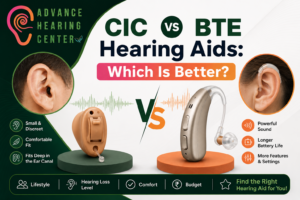
- Hearing aids – Modern digital devices amplify sound with clarity.
- Cochlear implants – For profound hearing loss where hearing aids are ineffective.
- Surgery – To repair damaged eardrums or middle ear bones.
Consulting an ENT doctor or audiologist ensures the best treatment plan tailored to your condition.
Hearing Exercises to Strengthen Listening Skills
Although exercises cannot “cure” hearing loss, they can improve your brain’s ability to process sounds.
1. Sound Localization Training
Sit in a quiet room and have someone make sounds from different directions. Try to identify where the sound is coming from.
2. Speech Reading
Practice lip-reading by watching videos or conversing with someone. This helps your brain process speech better, even in noisy environments.
3. Memory and Focus Games
Puzzles, memory games, and concentration exercises sharpen auditory processing, making it easier to follow conversations.
4. Listening in Noise Practice
Play background music and try to focus on a conversation or audiobook. This mimics real-life noisy situations.
5. Yoga and Breathing Exercises
Deep breathing increases oxygen flow to the brain and ears, supporting hearing health.
Diet for Hearing Improvement
What you eat can play a role in maintaining and protecting your hearing. A nutrient-rich diet supports the health of your inner ear and auditory nerve.
Essential Nutrients for Hearing Health:
- Omega-3 fatty acids (fish, walnuts, flaxseeds) – Improve blood flow to the inner ear.
- Magnesium (spinach, avocados, bananas) – Protects against noise-induced hearing loss.
- Zinc (pumpkin seeds, chickpeas, beef) – Helps repair inner ear tissues.
- Vitamin B12 (eggs, dairy, lean meat) – Supports nerve function.
- Vitamin C and E (citrus, almonds, sunflower seeds) – Reduce ear cell damage from free radicals.
- Iron (red meat, beans, leafy greens) – Prevents anaemia, which can affect hearing.
Drinking enough water and limiting processed foods, alcohol, and smoking also helps in protecting your hearing.
Lifestyle Changes to Support Better Hearing
- Limit headphone use and keep volume below 60%
- Quit smoking, as it reduces blood flow to the inner ear
- Manage chronic conditions like diabetes and hypertension
- Get enough sleep to allow your brain to process sounds efficiently
Can Hearing Loss Be Reversed?
Not all types of hearing loss are reversible. Conductive hearing loss (caused by blockages or infections) can often be treated, while sensorineural hearing loss (caused by damage to inner ear hair cells) is usually permanent. However, hearing aids, implants, and therapy can significantly improve hearing ability and quality of life.
However, hearing aids, implants (cochlear implants), and therapy can significantly improve hearing ability and quality of life.
Conclusion
If you’ve been wondering how to improve hearing loss, the answer lies in a mix of hearing recovery tips, hearing therapy, hearing exercises, diet for hearing improvement, and medical treatment for hearing loss. While some types of hearing damage are irreversible, consistent care, early intervention, and professional help can make a big difference.
Your hearing health is priceless—start protecting and improving it today.